Why Acoustics Matter in Modern Home Design
Simple strategies to minimise noise at home.

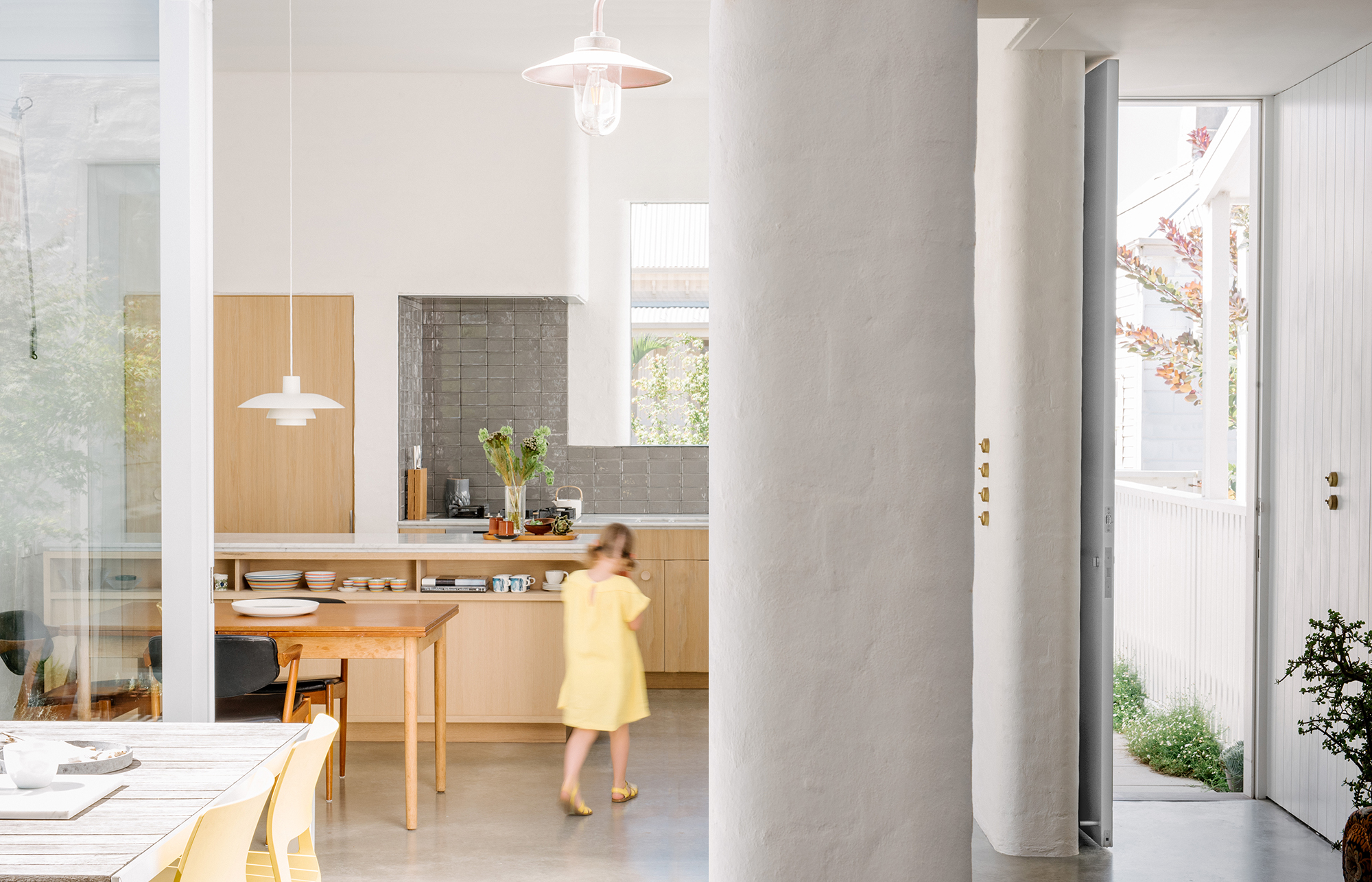
Open-plan living remains one of the defining characteristics of contemporary residential design. Expansive kitchen-living zones, increased ceiling heights, abundant glazing and seamless spatial connections deliver the light, openness and flexibility that today's homeowners demand.
However, as homes become more open and multifunctional, acoustic performance is emerging as an increasingly important design consideration. While visual aesthetics and spatial planning often dominate project discussions, the way a home sounds can have a significant impact on occupant comfort, wellbeing and perceived quality.
The Acoustic Challenge of Open-Plan Living

Modern residential layouts are designed to maximise connectivity between living spaces. Kitchens now flow directly into dining and living areas, walls have been removed, and ceiling volumes continue to increase. The result is highly desirable from an architectural perspective, but it also creates fewer barriers to sound transmission.
Activities that once occurred within separate rooms now share the same acoustic environment. Conversations, entertainment systems, meal preparation and everyday household activities compete within a single open space.
As a result, homeowners often experience higher perceived noise levels than anticipated once they begin living in the home.
For architects and builders, this presents an opportunity to address acoustic comfort as part of the overall user experience rather than as an afterthought.
Homes Are Now Expected to Support Multiple Functions

The rise of hybrid work and study arrangements has fundamentally changed how residential spaces are used.
Many homes are now required to accommodate video conferencing, focused work, study, entertaining and family life simultaneously. In these environments, excessive reverberation and appliance noise can affect concentration, communication and overall comfort.
Acoustic performance is increasingly becoming a contributor to occupant wellbeing, productivity and satisfaction, particularly in premium residential projects.
The Impact of Hard Surface Specification
Stone benchtops, engineered surfaces, polished concrete, timber flooring, tiled finishes and extensive glazing all support clean, modern aesthetics but provide minimal sound absorption. Instead, they reflect sound energy throughout the space, increasing reverberation and creating a perception of greater noise activity.
Higher ceilings can further amplify this effect by increasing room volume and extending sound travel paths.
Without adequate acoustic consideration, even relatively quiet environments can feel busy, echoic and uncomfortable.
Designing for Better Acoustic Comfort

Achieving a quieter home does not necessarily require dedicated acoustic treatments or significant design compromises. Small specification decisions can have a measurable impact on the overall acoustic experience.
- Integrate Appliances Where Possible: Integrated appliances continue to grow in popularity for aesthetic reasons, but they can also contribute to improved acoustic performance. Cabinetry surrounding integrated appliances can provide an additional layer of sound attenuation while maintaining clean design lines.
- Introduce Sound-Absorbing Elements: Soft furnishings such as rugs, curtains and upholstered furniture remain effective methods of reducing reverberation within hard-surfaced environments. Early consideration of interior finishes can significantly improve acoustic comfort.
- Break Up Reflective Surfaces: Timber battens, feature joinery, shelving systems, textured finishes and decorative wall treatments help diffuse sound energy and reduce unwanted reflections.
- Use Furniture and Joinery to Define Zones: Strategic placement of furniture, joinery and partial room dividers can assist in controlling sound travel while maintaining the visual openness clients desire.
- Consider Architectural Ceiling Features: Bulkheads, timber ceiling elements and feature ceiling treatments can improve acoustic performance while adding depth, character and architectural interest to large-volume spaces.
- Impact of Appliance Noise: In many homes, appliances are among the most significant contributors to background noise. Rangehoods, refrigerators, dishwashers, air conditioning systems and laundry appliances all contribute to the acoustic profile of a home. Selecting quieter appliances can significantly enhance occupant comfort and the perceived quality of the completed project.
Why Quiet Appliances Matter

- Enhanced occupant comfort: Continuous appliance noise can contribute to fatigue and reduce overall comfort, particularly in open-plan environments.
- Improved usability of living spaces: Lower appliance noise supports easier conversation, entertainment, study and work-from-home activities.
- Better sleep outcomes: Reduced noise levels can help minimise sleep disturbance and contribute to healthier living environments.
- Greater accessibility and inclusivity: Noise-sensitive occupants, including shift workers, older residents and individuals living with sensory sensitivities, may benefit significantly from quieter home environments.
Schweigen - Silent. Powerful. Healthier.

Rangehoods have traditionally been among the noisiest appliances within the kitchen environment. Schweigen's silent rangehood technology addresses this challenge by relocating the German-made Isodrive® motor away from the canopy.
By separating the motor from the rangehood itself, more powerful motors can be utilised without introducing excessive noise into the kitchen. This design approach also means that the canopy is optimised for airflow performance rather than to secure and insulate a loudly vibrating internal motor assembly.
When correctly installed and operated at lower speeds, Schweigen silent rangehoods operate below typical ambient kitchen noise levels and deliver powerful extraction performance. At higher settings, airflow noise may be audible depending on motor location, ducting design and filter selection.
The result is a quieter kitchen environment that allows conversation, entertaining and everyday family interaction to continue uninterrupted.
Acoustic Performance Starts at Specification
As the industry continues to pursue open, connected and highly functional living environments, acoustics deserve greater attention during the design and specification process. In the future, residential quality may be judged not only by what occupants see, but by what they hear - or, increasingly, what they don't.
Reach out for a free Project Consult with a Schweigen Product Expert today at 1300 881 693.